


North Hill homes can keep you guessing if you only look at the equipment. A century-old foursquare near North Main Street may still use cast-iron radiators, while a bungalow closer to Cuyahoga Falls Avenue may have a furnace and duct system added decades after the house was built. A few streets over, you may find a mid-century home designed around forced-air heating from the start.
Those differences show up in everyday comfort. One upstairs bedroom stays warm in July. A radiator never heats like the others. A basement feels damp after several days of rain. Lakes Heating & Air Conditioning works throughout Akron 44310 helping homeowners solve heating, cooling, plumbing, and indoor air quality problems that are often tied to the age and layout of the home itself. Call (330) 536-1276 or contact Lakes Heating & Air Conditioning online to schedule service in Akron.

What We Usually Find Inside North Hill Homes
Much of North Hill was developed during the first half of the twentieth century. Foursquares, bungalows, brick homes, plaster walls, and deep basements are common between North Main Street, Tallmadge Avenue, and Cuyahoga Falls Avenue.
It is also common to find several generations of mechanical upgrades under one roof. A newer furnace may feed older ductwork. A boiler may still heat original radiators. Central air may have been added years later, with supply runs worked through closets or other available spaces.
Narrow lots create another challenge. Outdoor condensers are sometimes tucked beside driveways, fences, or neighboring homes. When space is tight outside and airflow is limited inside, we have to look at the entire setup before deciding what is actually wrong.
Cold Rooms Usually Have A Reason
Heating systems can vary from one North Hill block to the next. Boilers remain common in radiator-era homes, while other houses have been converted to forced-air furnaces. Heat pumps and ductless systems are also becoming more common as homeowners update older spaces.
Akron winters tend to expose small weaknesses. A system may seem fine during mild weather, then struggle once temperatures stay below freezing for several days. We often check circulation, blower performance, thermostat location, radiator balance, and duct restrictions before assuming the heating equipment itself is the only problem.
Our heating services include:
- Emergency heating
- Heating repair
- Heating installation
- Heating maintenance
- Furnaces
- Boilers
- Heat pumps
- Geothermal services
- Space heating
- Snowmelt systems
- HVAC services
- New construction HVAC
- Commercial heating
If one room near Tallmadge Avenue stays colder than the rest of the house, the answer may be in how heat is moving through the home rather than how much heat the system can produce.
Second Floors Often Show AC Problems First
Many homes in 44310 were built before central air conditioning was common. When cooling was added later, installers often had to work around plaster walls, narrow wall cavities, stairways, and existing heating systems. That can limit supply and return airflow.
The problem becomes more obvious during a humid Akron summer. The first floor may feel comfortable while upstairs bedrooms stay warm into the evening. Rooms with more sun exposure can also gain heat faster than the duct system can remove it.
Lakes Heating & Air Conditioning provides:
- Emergency AC services
- AC repair
- AC installation
- AC maintenance
- Ductless air conditioning
- Packaged units
- HVAC services
- New construction HVAC
- Commercial AC
Ductless equipment can work well for finished attics, additions, or upstairs rooms where extending ductwork would require opening large sections of the house. For central systems, we also check return airflow and duct condition because a new outdoor unit will not correct poor distribution.
Basement Plumbing Tells You A Lot About The House
In many North Hill basements, the plumbing shows the home's history at a glance. You may see original piping next to newer supply lines, updated shutoffs, remodeled bathroom connections, and a water heater that has been replaced more than once.
Deep basements are common throughout 44310, and they are usually where water heaters, drains, sump pumps, gas lines, and much of the home's utility piping come together. After heavy rain, those lower levels can also become more prone to moisture.
Our plumbing services include:
- Plumbing installation
- Plumbing repair
- Water heaters
- Drain cleaning
- Bathroom remodel plumbing
- Faucet installation and repair
- Leak detection and repair
- Gas line installation
- Garbage disposals
- Toilets
- Sinks
- Sump pumps
A change in water pressure, a drain that keeps slowing down, or a water heater that takes longer to recover can all be early signs that something needs attention.
Indoor Air Can Change From One Floor To The Next
North Hill homes can have very different conditions from the basement to the second floor. A lower level may stay damp through summer while upstairs rooms become dry once the furnace has been running for weeks.
Replacement windows, added insulation, and remodeling can also change how air and moisture move through a house built generations ago. That is why filtration, humidity, and airflow often need to be looked at together.
We install and service:
- Air cleaners
- Air scrubbers
- Air purifiers
- Humidifiers
- Dehumidifiers
- Thermostats
- Carbon monoxide detection
- Air ducts and ductwork
Whole-home dehumidification can help when lower levels stay clammy during summer. During winter, proper humidification can make heated rooms more comfortable without relying on portable units.
North Main Street Businesses Have Different Comfort Needs
The North Hill International District adds another layer to the service work we see in 44310. North Main Street and Cuyahoga Falls Avenue include restaurants, markets, automotive businesses, offices, and smaller retail spaces just a short distance from residential streets.
Those buildings place different demands on HVAC equipment. A storefront may need steady cooling through business hours, while a garage or open work area may depend on unit heaters or equipment designed for larger spaces.
Lakes provides commercial heating, commercial AC, and new construction HVAC. We look at how the building is used, where comfort problems show up, and how long the equipment runs before recommending repair or replacement.
We Trace The Problem Before We Talk Replacement
One of the easiest mistakes to make in a North Hill home is assuming new equipment will automatically solve an old comfort problem. If the real issue is restricted ductwork, poor return airflow, uneven radiator circulation, basement humidity, or thermostat placement, replacement alone may leave you with the same complaint.
Cross the Y-Bridge and head into North Hill, and you can move from a radiator-heated foursquare to a forced-air bungalow in only a few minutes. The systems change, but our approach stays the same. We look for the cause first.
Homeowners around Akron call Lakes for:
- Emergency heating and cooling repair
- Furnace and boiler service
- AC repair and replacement
- Ductless comfort solutions
- Plumbing and water heater service
- Indoor air quality improvements
- Ductwork evaluations
- Clear explanations during service visits
The goal is to give you a practical answer based on how your home is actually performing.
Service Built Around The Way North Hill Homes Work
Homes around North Main Street, Tallmadge Avenue, Cuyahoga Falls Avenue, and the streets closer to Cascade Valley often have systems from several different eras working together. Boilers, retrofitted ductwork, damp basements, tight condenser locations, and updated plumbing are all familiar parts of service work in this ZIP code.
Lakes Heating & Air Conditioning works throughout Akron helping homeowners keep those systems dependable through cold winters, humid summers, and the temperature swings in between. Call (330) 536-1276 or contact us online today to schedule heating, cooling, indoor air quality, or plumbing service in Akron, OH 44310.
Recent Jobs and Reviews in Akron, OH
Akron, OH at a glance
Lakes Heating, Air Conditioning & Plumbing INC has completed 20 jobs in Akron, OH in November 2026.
The most recent job was on November 16, 2026.
Lakes Heating, Air Conditioning & Plumbing INC has completed 933 jobs in Akron, OH in the last 12 months.
Job Locations and Reviews
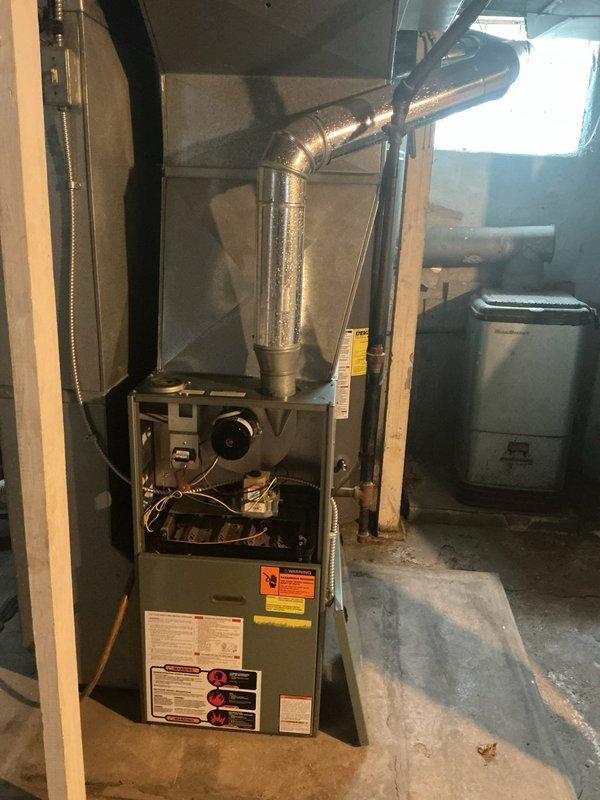
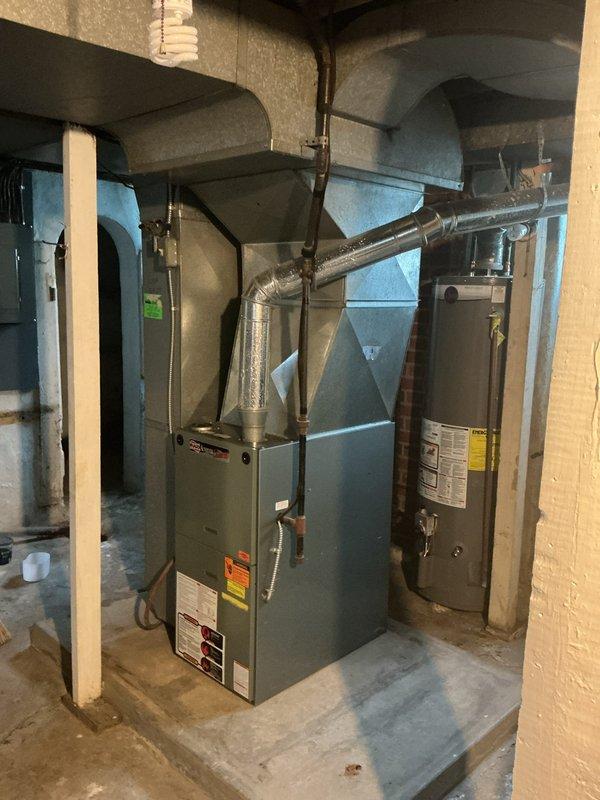

Evaluated existing gas-fired furnace installation for replacement, inspecting the burner assembly, gas valve, inducer/blower motor, electrical connections, and associated plenum and ductwork. Noted condensation on the galvanized flue vent, indicating a venting deficiency to be addressed during the retrofit. Recommended furnace replacement with proper vent sizing and material, along with gas piping and electrical connections brought to current code.
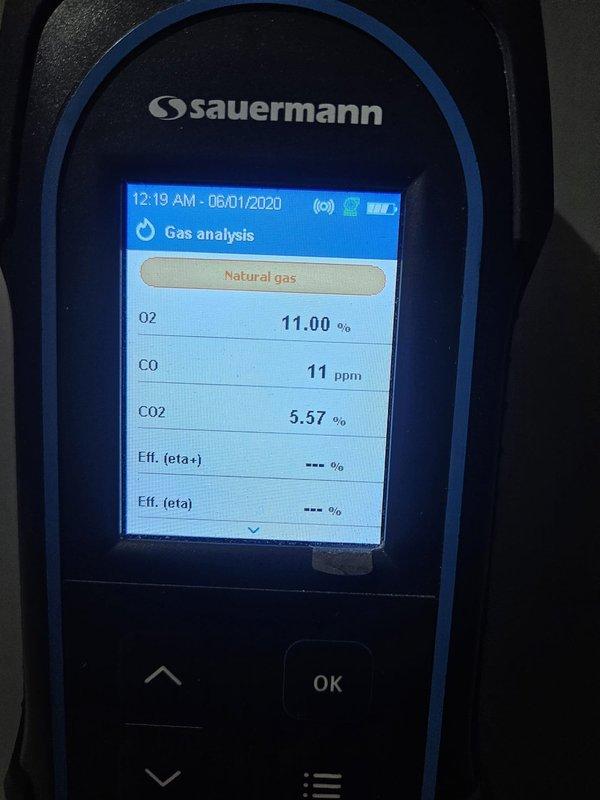

Performed annual heating maintenance on a gas furnace, including a combustion analysis with a calibrated flue gas analyzer. Readings were within normal operating range for natural gas: O2 at 11.0%, CO at 11 ppm, and CO2 at 5.57%. The unit was found operating properly at completion.
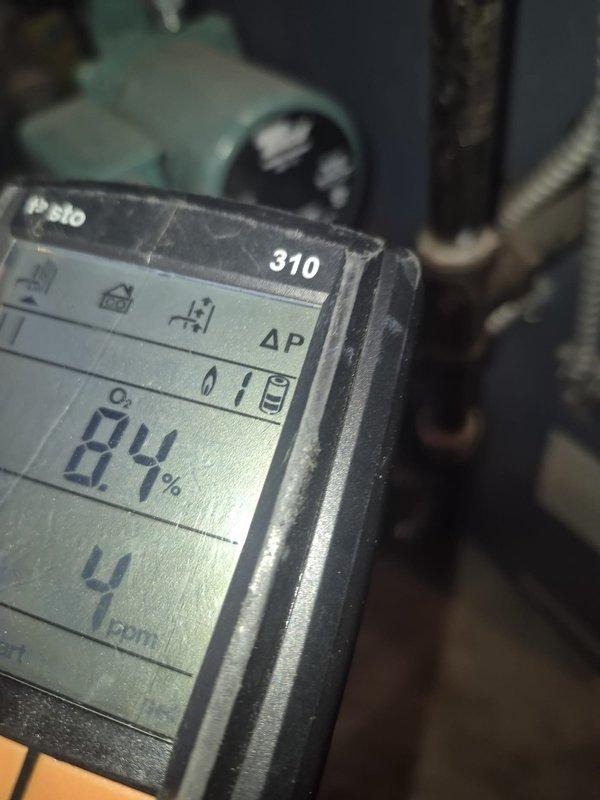
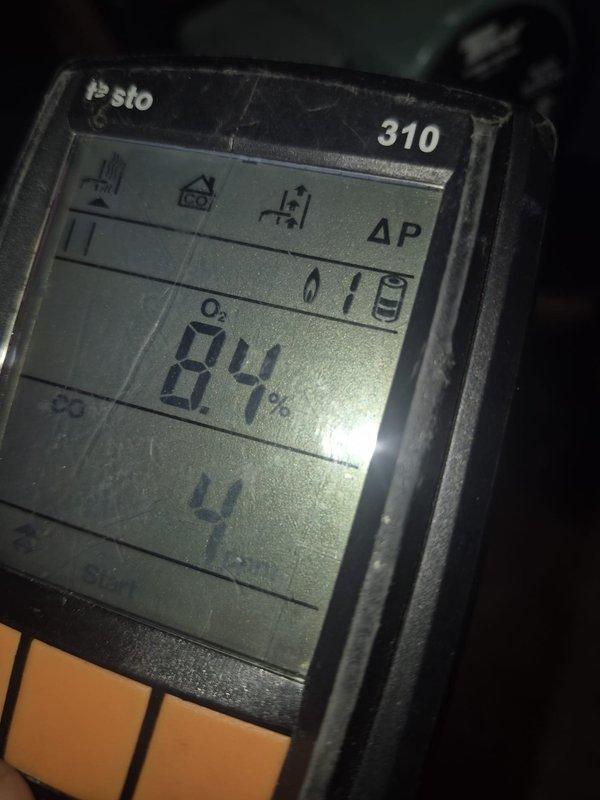

Performed seasonal heating system maintenance on the boiler, including a combustion efficiency analysis using a Testo 310 flue gas analyzer. Readings showed O₂ at 8.4% and CO at 4 ppm, indicating safe carbon monoxide levels and stable combustion, and the circulator pump and associated piping were inspected as part of the tune-up.
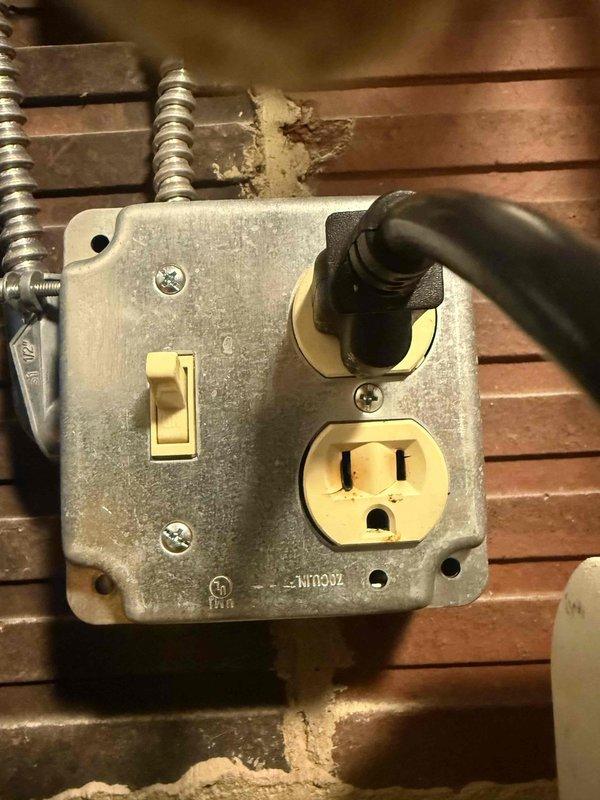
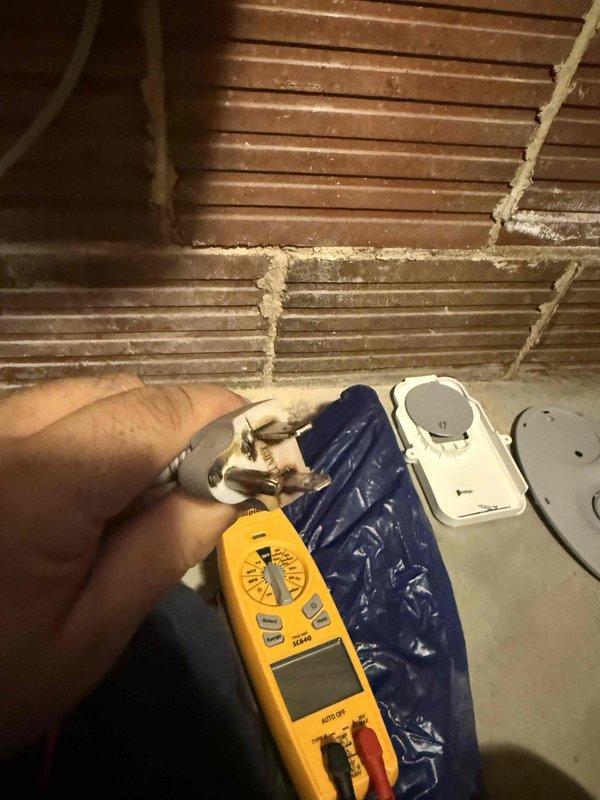

Diagnosed a no-heat condition on the master bath radiant floor heating system and traced the fault to the line-voltage supply, where the power cord plug showed heavy burning, charring, and melted insulation at the prongs, with scorching and staining also present at the wall receptacle. Verified power and continuity with a multimeter, then isolated the damaged cord and receptacle as the cause of the loss of power to the heating element.
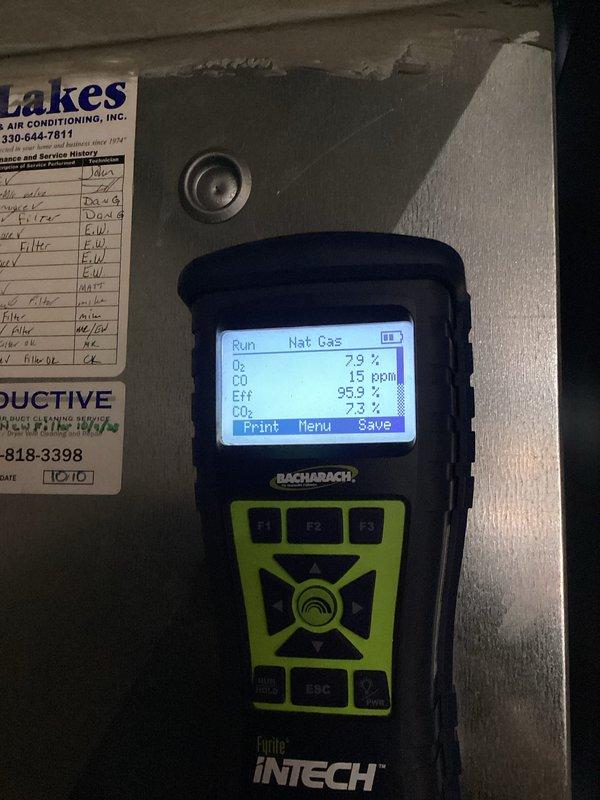

Performed seasonal heating maintenance on a 12-year-old natural gas furnace, including a combustion analysis with a Bacharach Fyrite InTech analyzer. Readings were within normal operating range at 7.9% O2, 7.3% CO2, 15 ppm CO, and 95.9% efficiency, confirming clean, efficient combustion. Updated the maintenance service history record on the unit.
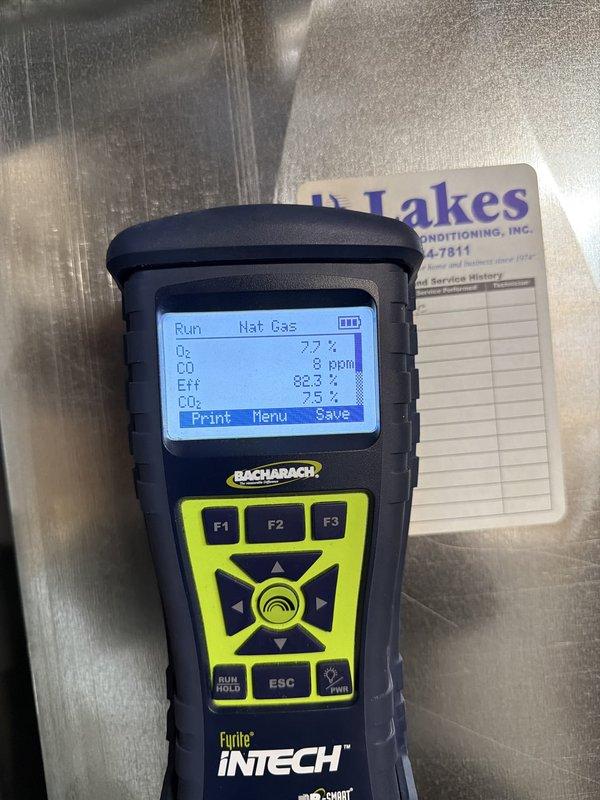
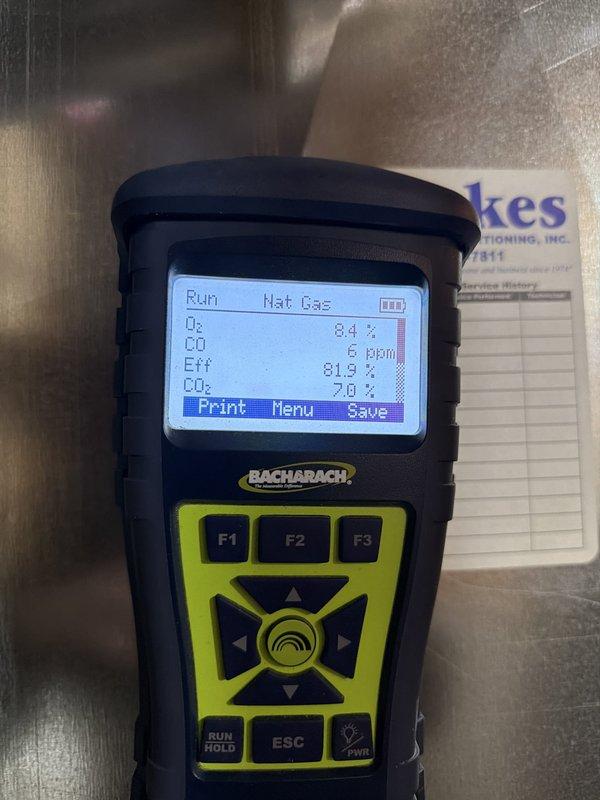
Performed tune-up service on two gas furnaces (both over 10 years old), including combustion analysis of each unit under natural gas operation. Results were within acceptable ranges: O2 7.7%, CO 8 ppm, CO2 7.5%, and 82.3% efficiency on the first furnace, and O2 8.4%, CO 6 ppm, CO2 7.0%, and 81.9% efficiency on the second. Both systems are operating safely and efficiently, and the service history labels were applied to the equipment.
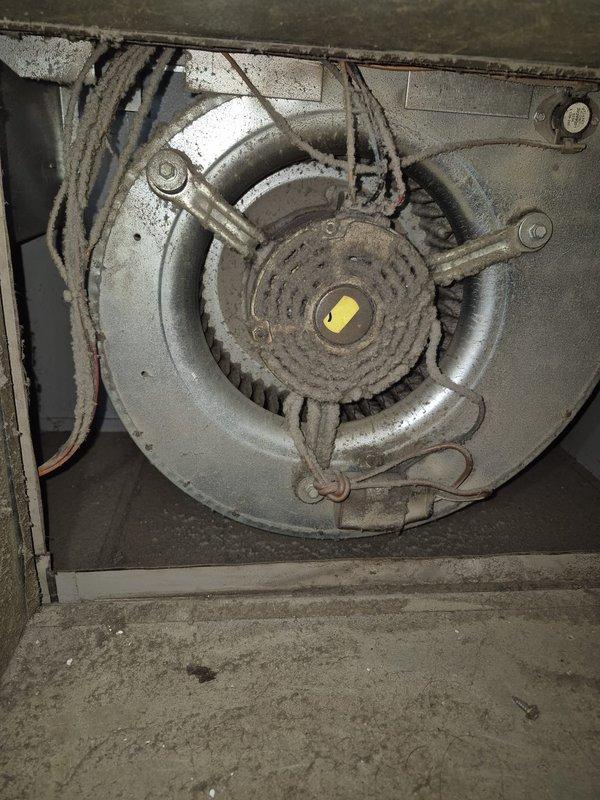
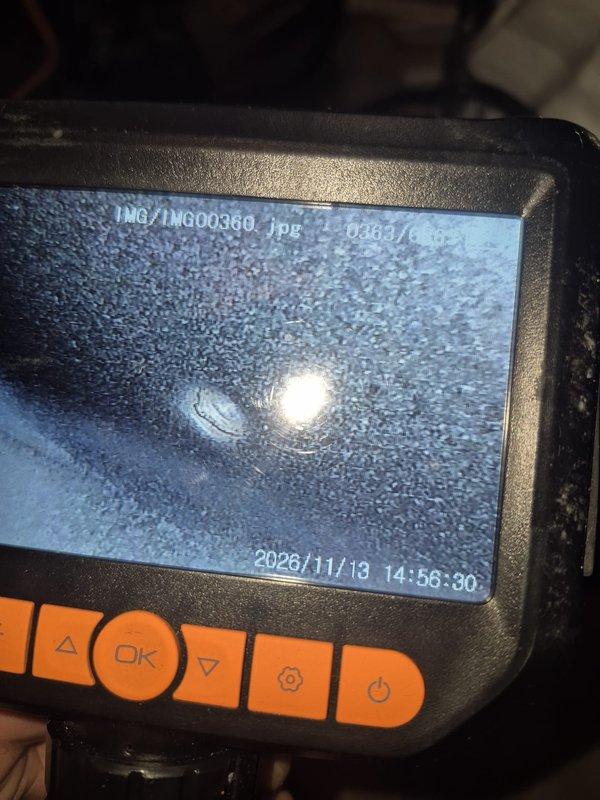
Responded to a gas furnace short-cycling complaint and inspected the air handler cabinet, finding heavy dust and lint buildup on the blower assembly, motor housing, support arms, and wiring, along with debris on the cabinet floor and a loose screw. The restricted airflow and dirty blower likely caused the unit to overheat and trip the limit switch, resulting in the intermittent cycling. Used a borescope to inspect hard-to-reach internal areas, and recommended cleaning the blower assembly and replacing the air filter to restore proper airflow and prevent recurrence.
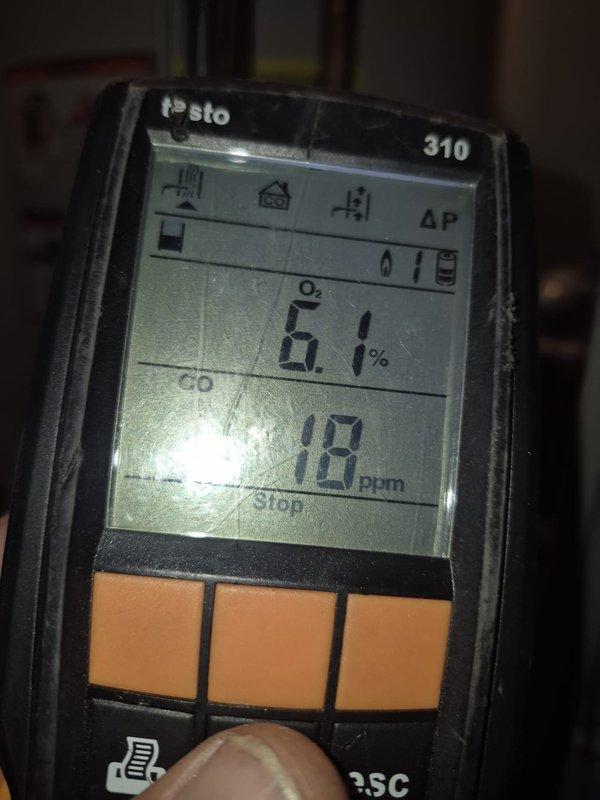
Responded to a no-heat call on a 20-year-old furnace that was heating intermittently. Performed a combustion analysis with a Testo 310 analyzer, which recorded 6.1% O2 and 18 ppm CO in the flue gases, to evaluate burner operation and combustion efficiency. Diagnosed the intermittent heating condition using these readings along with an inspection of the unit's operation.
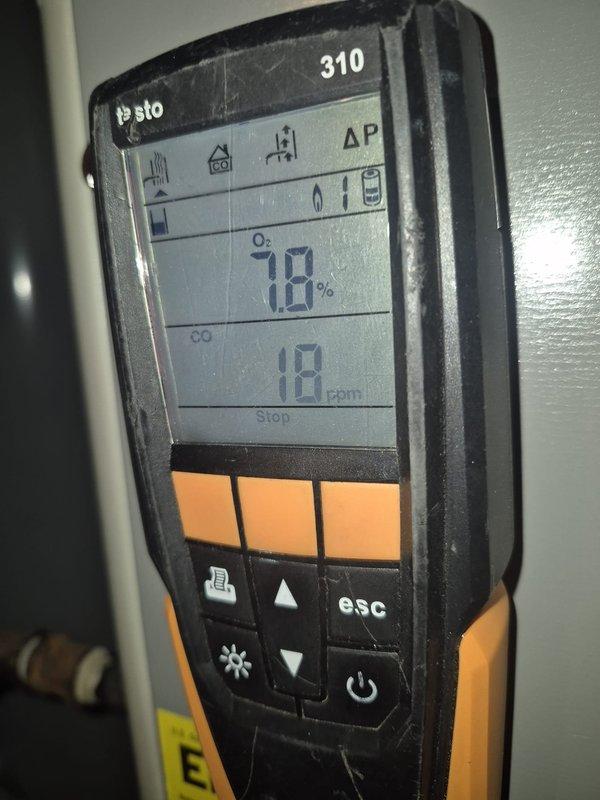
Diagnosed a 10-year-old gas furnace short-cycling on a flame-sensing fault, then verified combustion performance with a Testo 310 analyzer. Readings showed O₂ at 7.8% and CO at 18 ppm, within acceptable limits, and the furnace now holds a stable flame and completes normal heating cycles.
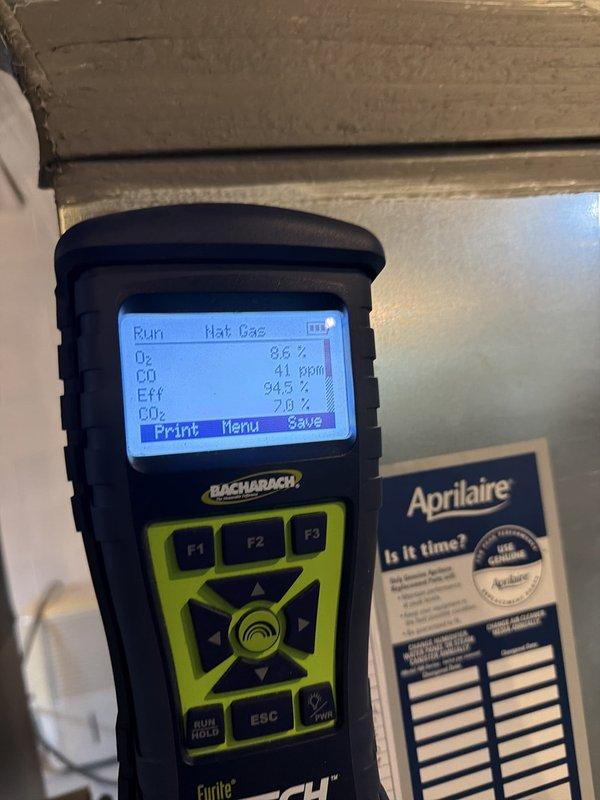
Performed scheduled preventive maintenance on a 9-year-old residential natural gas furnace. Conducted a combustion analysis on the unit, recording O2 at 8.6%, CO at 41 ppm, CO2 at 7.0%, and steady-state efficiency of 94.5%, with all readings within acceptable operating parameters. Verified the Aprilaire reminder label on the ductwork for filter/media replacement tracking.
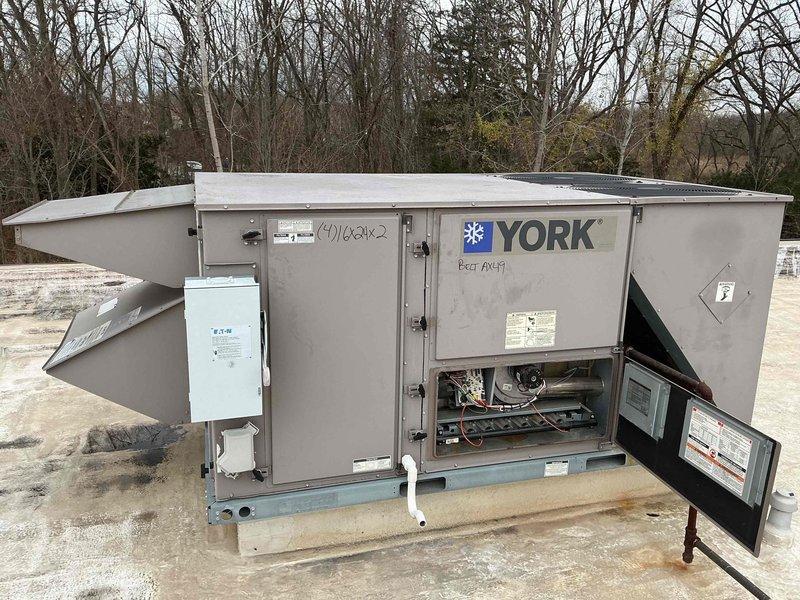
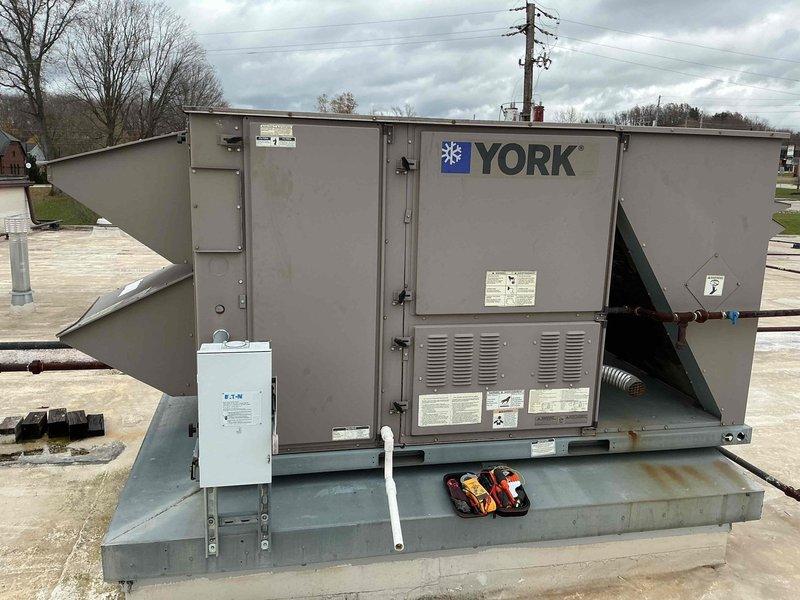

Performed seasonal contract maintenance on a York gas/electric rooftop unit, including inspection of the burner and heat exchanger compartment, blower and motor assembly, and electrical components, with the access panels opened for service. Verified the condensate drain and disconnect, replaced the filter set with (4) 16x24x2 filters, and noted rust staining on the curb and roof surface wear for monitoring.
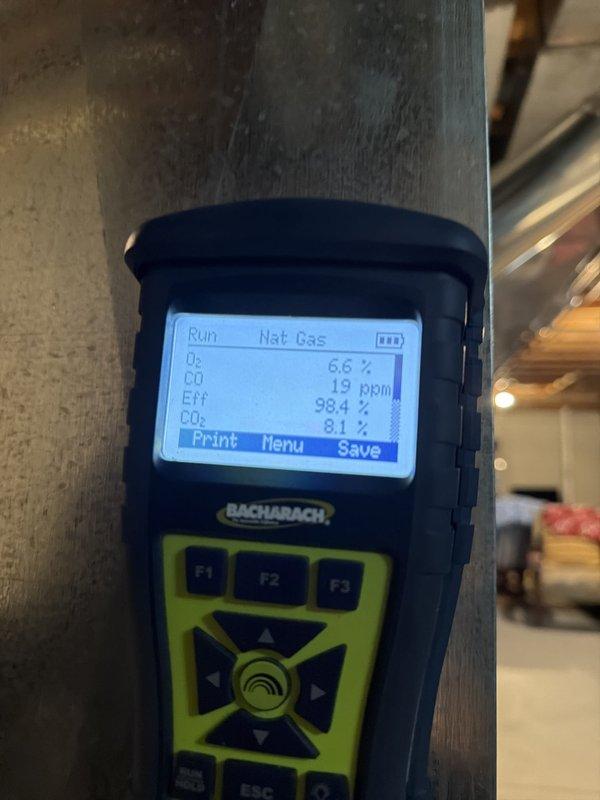
Performed seasonal heating maintenance on a 3-year-old gas furnace, including a combustion analysis to verify safe and efficient operation. Readings on natural gas were within normal range at O2 6.6%, CO 19 ppm, CO2 8.1%, and 98.4% efficiency. The system is operating properly, and the customer's maintenance plan is due for renewal.
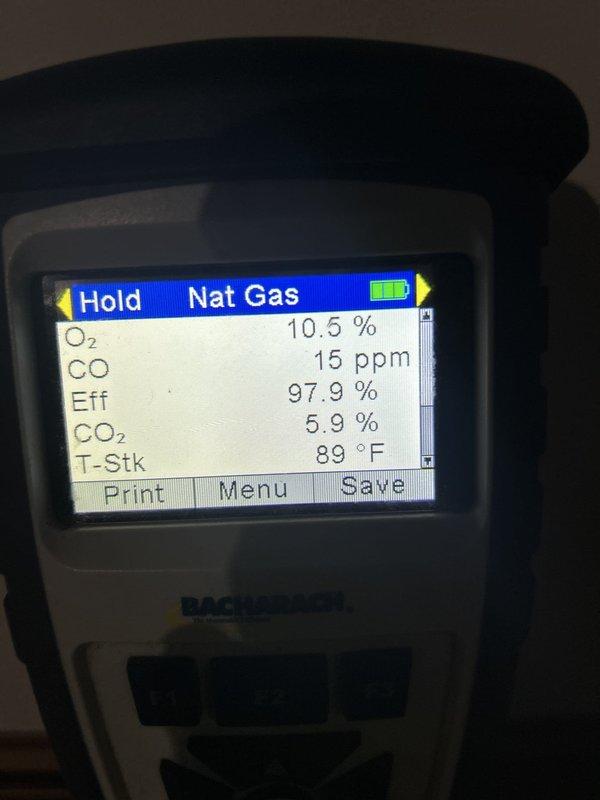
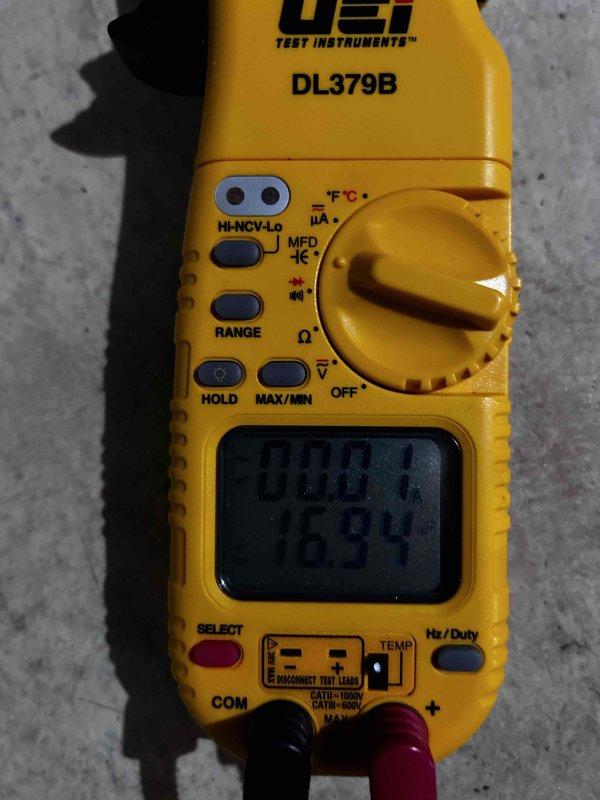

Performed seasonal heating maintenance on two gas furnaces (approximately 25 and 10 years old), including combustion analysis and electrical testing. Combustion readings on natural gas were within normal range at 10.5% O₂, 15 ppm CO, 5.9% CO₂, and 89°F stack temperature, and electrical measurements were verified with a clamp meter. Both systems were left operational.
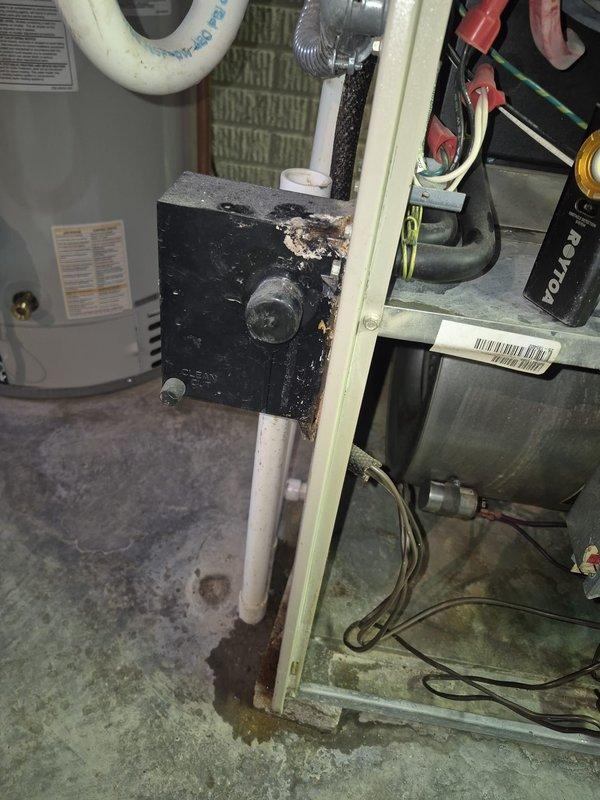
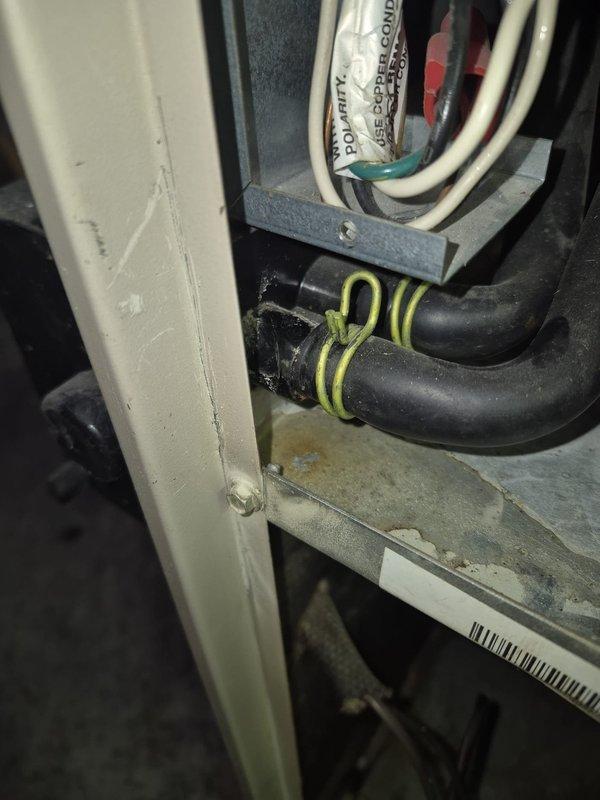
Responded to water leak beneath a 22-year-old gas furnace and traced the source to the condensate trap/cleanout housing, which showed heavy corrosion, mineral buildup, and active seepage at the PVC drain connection, with staining visible on the cabinet base and slab. Inspected the condensate hoses and surrounding blower compartment, which showed rust and mineral deposits consistent with long-term condensate leakage. Documented findings and recommended replacement of the deteriorated condensate trap and related drain components to prevent further water damage and corrosion.
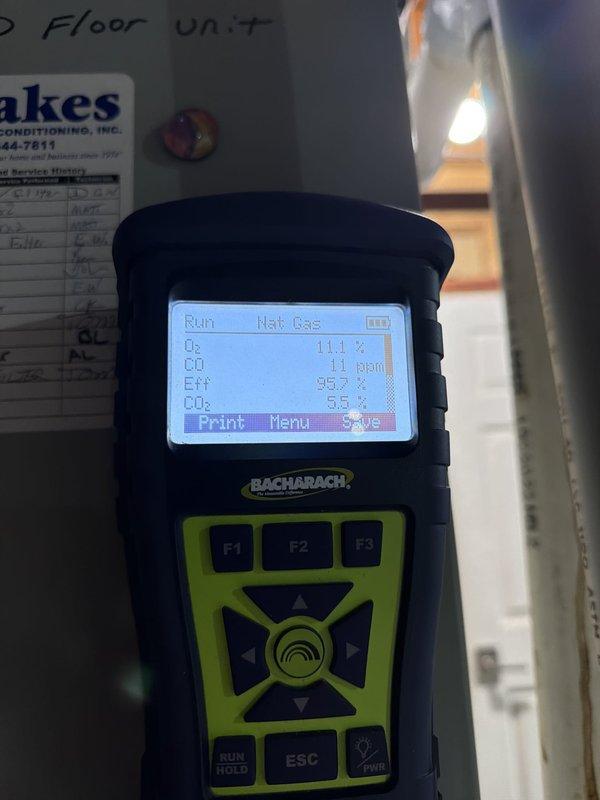
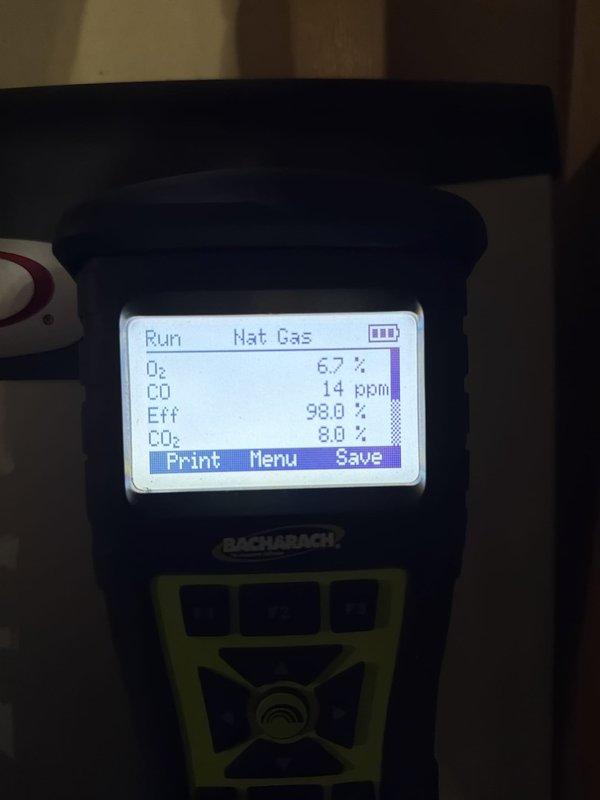
Performed annual heating maintenance on two natural gas furnaces (approximately 11 and 15 years old), including a combustion analysis on each unit that showed CO at 11 ppm and 14 ppm, within safe operating limits, with efficiency readings of 95.7% and 98.0%. Both units operated normally with no visible damage or unusual conditions noted, and the maintenance plan was renewed with a follow-up reminder set.
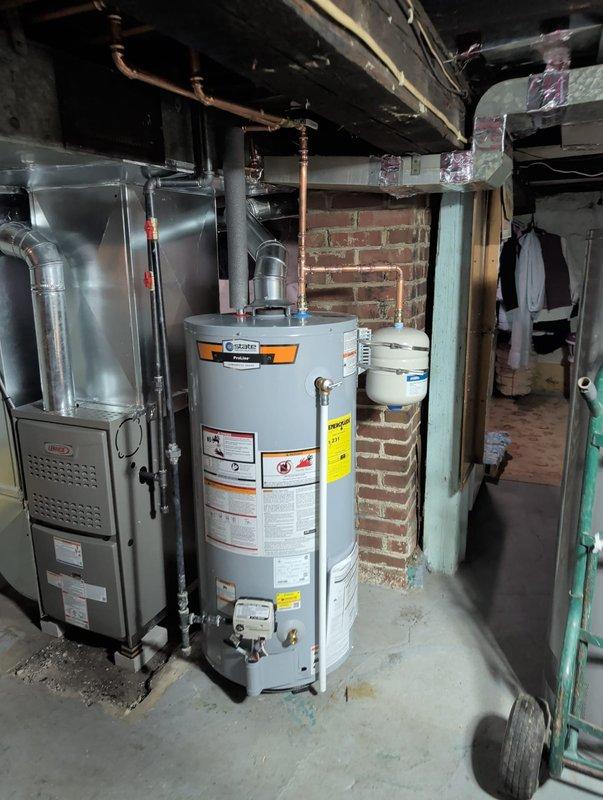
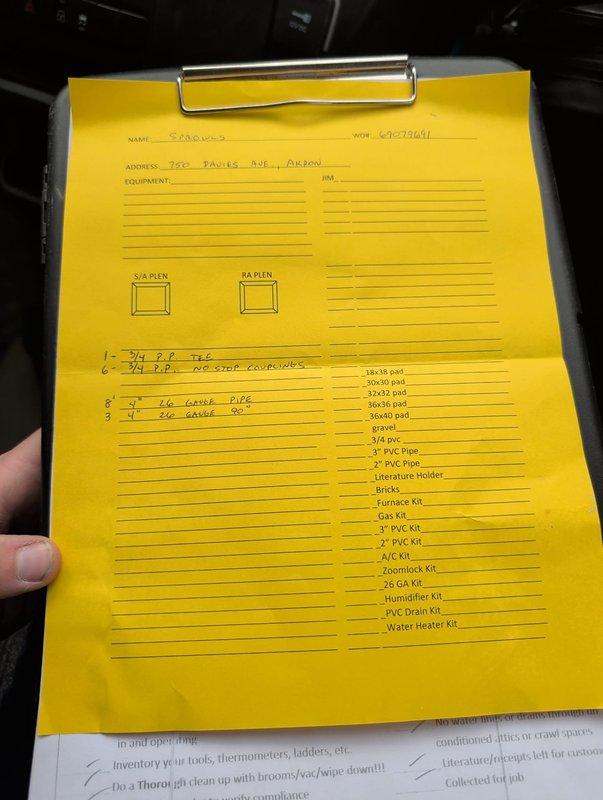

Completed a gas furnace retrofit, installing the new unit with connected supply and return ductwork, black iron gas piping with sediment trap and shutoff, and PVC venting and condensate drain. Relocated the existing gas water heater, reconnecting the gas supply, copper water lines, expansion tank, and flue vent to the chimney with proper clearances. Verified all connections and combustion venting were secure, and cleaned the work area upon completion.
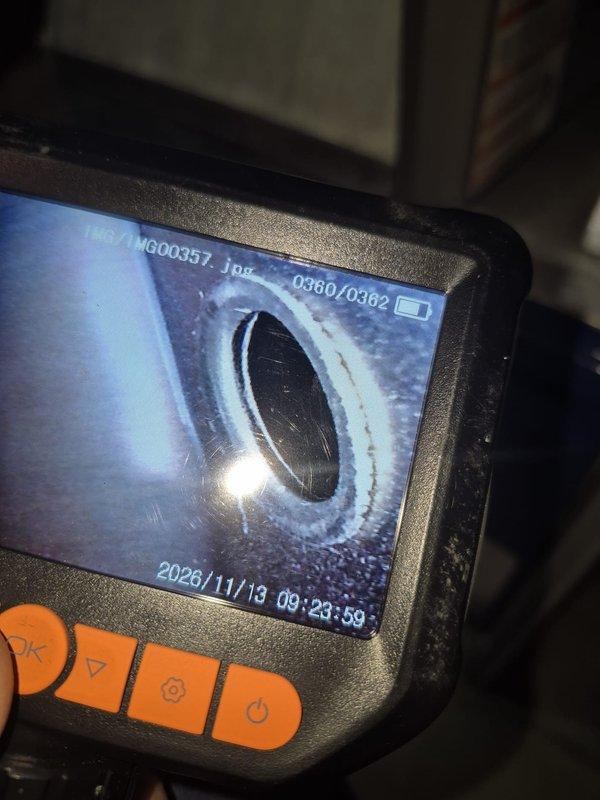
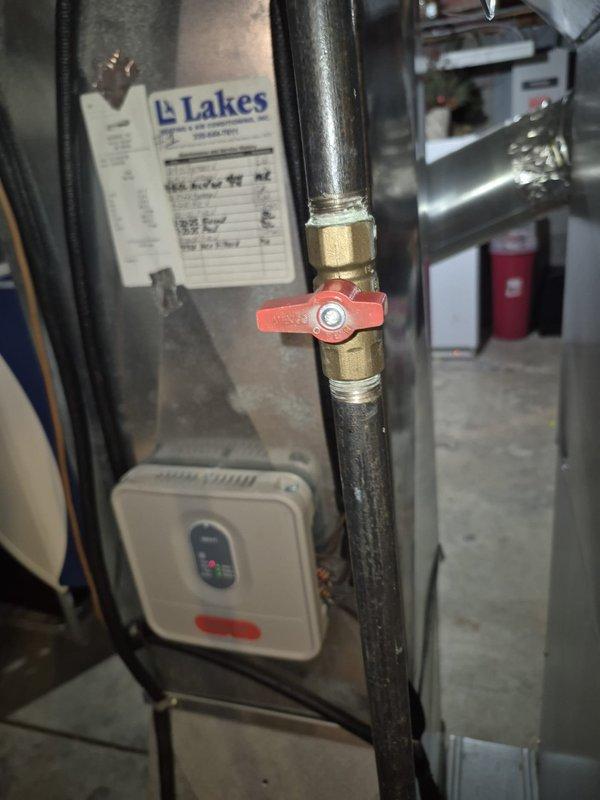
Performed heating maintenance on two basement-installed gas furnaces (approximately 6 and 20 years old), including visual borescope inspection of the internal heat exchanger and flue passages, which revealed light scale and corrosion buildup around the opening rim. Inspected the gas supply piping and shutoff valve, noting minor discoloration on the threaded brass fitting, and verified the control module and system operation, with service tags updated on both units.
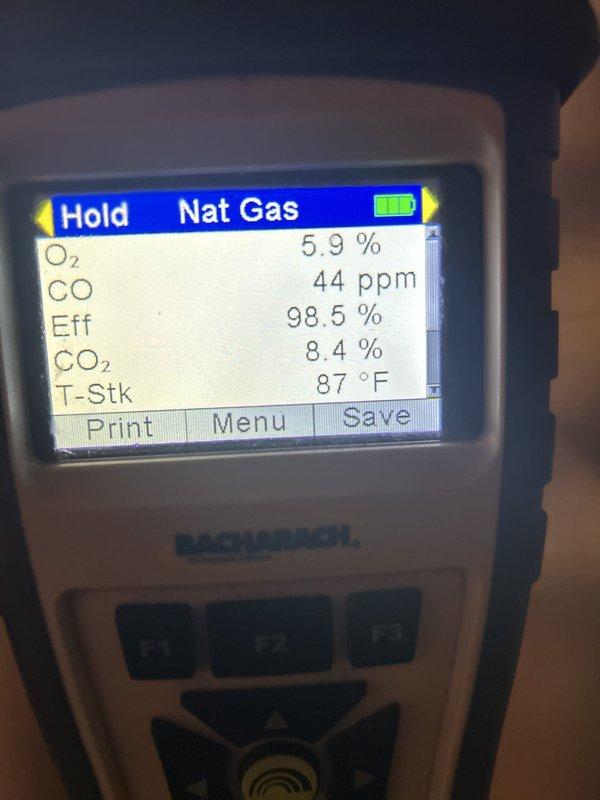
Performed annual heating maintenance on a 2-year-old gas furnace located in the basement, including a combustion analysis with a Bacharach analyzer. Readings were within normal operating range: O₂ 5.9%, CO₂ 8.4%, CO 44 ppm, stack temperature 87°F, and 98.5% efficiency. Furnace is operating properly, and the customer is due for maintenance plan renewal.
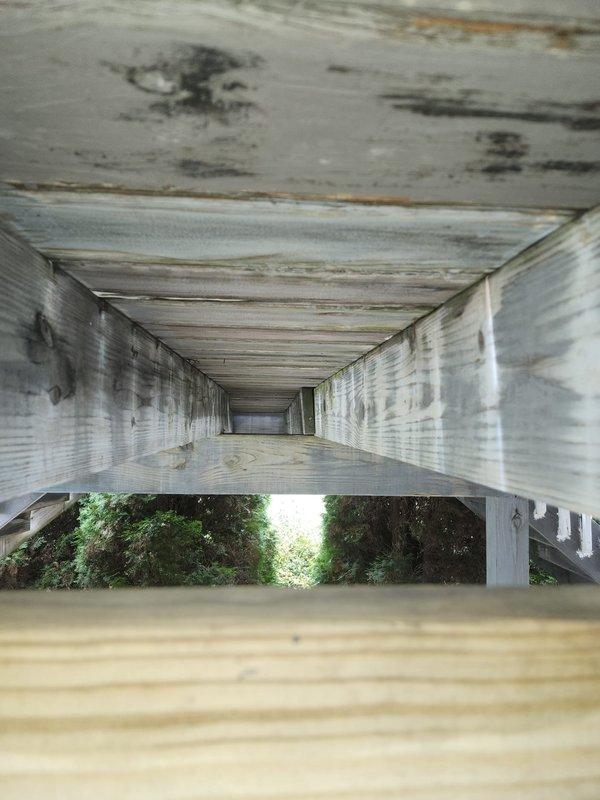
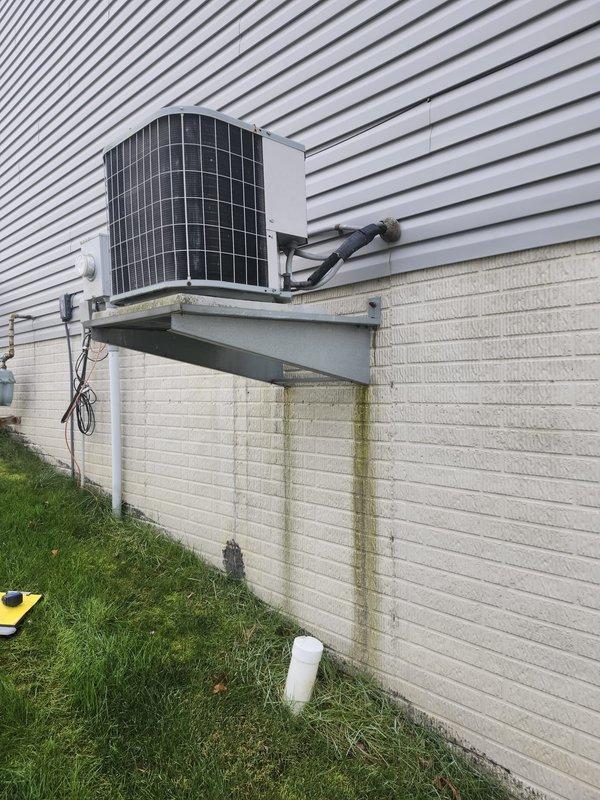

Completed a full HVAC system installation, including a new outdoor condenser unit mounted on a wall bracket with a code-compliant electrical disconnect and conduit run. Insulated refrigerant lines were routed through the exterior wall, and a condensate drain line was installed and terminated away from the structure. Refrigerant line sets and electrical connections were secured and sealed, with the system commissioned and operating within specifications.
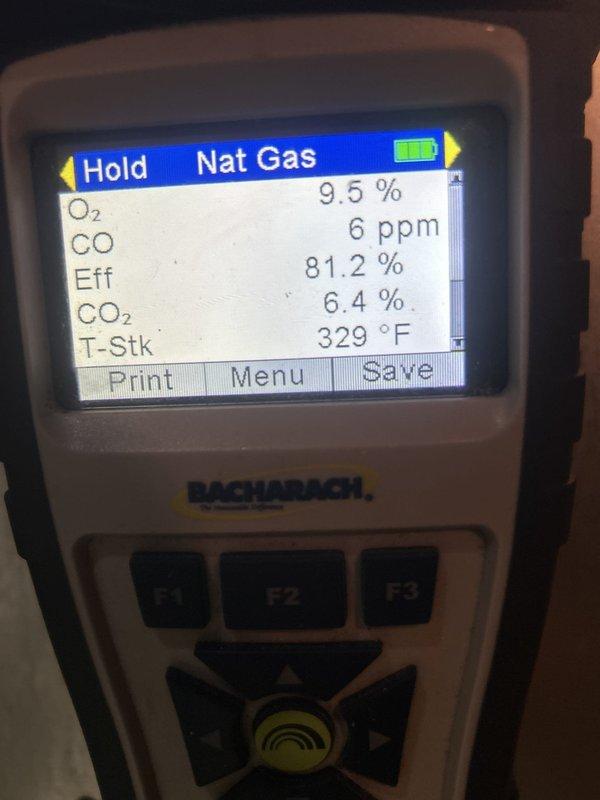
Performed seasonal heating maintenance on a 17-year-old natural gas furnace, including inspection of the combustion system and operational check of the unit. Combustion analysis was recorded at 9.5% O₂, 6.4% CO₂, 6 ppm CO, 329°F stack temperature, and 81.2% efficiency, with CO within safe limits. The furnace was left operating normally at completion.
